
Overview Summary
- CNC mist is more than a nuisance — it directly affects indoor air quality and worker health
- Airborne oil mist can spread far beyond the machine, contaminating entire work areas
- Residual mist accelerates wear on equipment, electronics, and facility infrastructure
- Poor mist control increases maintenance costs and shortens machine lifespan
- Regulatory and safety risks rise when mist accumulates unchecked
- Proper mist collection protects people, equipment, and long-term productivity
Why CNC Mist Is an Indoor Air Quality Problem
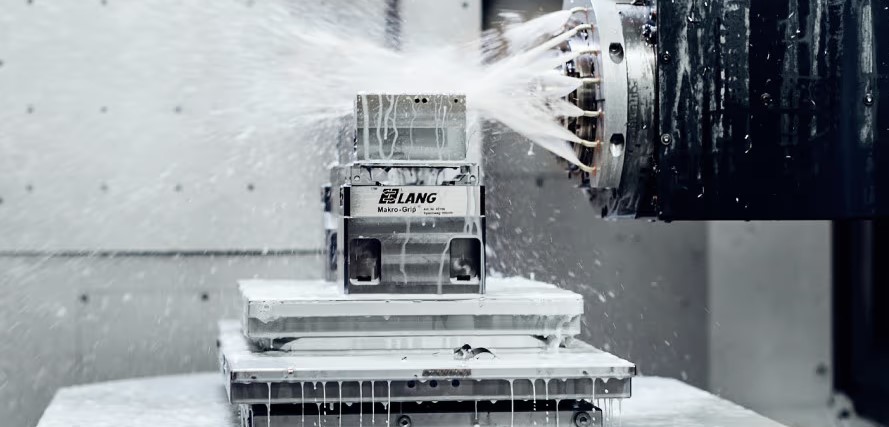
CNC machining processes that use cutting fluids or coolants inevitably generate fine mist. While it may appear localized at the machine, this mist often becomes airborne and migrates throughout the facility.
Once suspended in the air, CNC mist can:
- Reduce overall indoor air quality
- Create visible haze in production areas
- Leave oily residue on floors, walls, and overhead surfaces
- Trigger employee complaints about air quality and odors
Unlike larger particles that settle quickly, mist droplets can remain airborne for extended periods, especially in facilities with high air movement or multiple machines operating simultaneously.
Health and Comfort Implications for Workers
Even when cutting fluids are formulated to be safer, prolonged exposure to airborne mist can still create problems for employees.
Common issues include:
- Respiratory irritation from inhaled aerosols
- Skin irritation from oil settling on exposed surfaces
- Slippery floors that increase fall risk
- Reduced comfort and concentration due to visible haze
Facilities that overlook mist control often find that air quality complaints rise long before regulatory thresholds are exceeded.
CNC Mist Shortens Equipment Life
Mist doesn’t just affect people, it quietly attacks equipment.
When oil mist circulates through the facility, it settles on surfaces that were never designed to handle it, including:
- Electrical cabinets and control panels
- Servo motors and sensors
- Computer terminals and HMIs
- Lighting fixtures and safety equipment
Over time, this residue attracts dust, holds moisture, and accelerates corrosion. Electrical components become more prone to faults, cooling vents clog, and precision equipment experiences premature failure.
The Hidden Maintenance Costs of Uncontrolled Mist
Facilities often underestimate how much mist-related contamination adds to maintenance budgets.
Uncontrolled CNC mist leads to:
- More frequent cleaning of machines and floors
- Increased downtime for electrical repairs
- Shortened life of sensitive components
- Higher housekeeping labor costs
- Premature replacement of lighting and electronics
What seems like a minor air quality issue can quietly erode productivity and reliability across the entire operation.
Isn’t Ventilation Enough For Dealing with Oil Mist?
General ventilation systems are rarely designed to capture oil mist at the source. In many cases, they simply dilute the problem, spreading mist throughout the building rather than removing it.
Effective mist control requires:
- Capturing mist directly at or near the CNC machine
- Removing fine aerosols before they enter ambient air
- Preventing re-circulation of oil-laden air
Without dedicated mist collection, even well-ventilated facilities struggle to maintain clean, stable air conditions.
How Mist Collectors Protect CNC Environments
Mist collectors are designed specifically to address the challenges CNC machining creates. By capturing airborne mist at the source, they help facilities:
- Improve indoor air quality consistently
- Protect sensitive equipment from contamination
- Reduce cleaning and maintenance demands
- Extend machine and component lifespan
- Create safer, more comfortable workspaces
Different machining processes produce different mist characteristics, making proper system selection and application critical for long-term performance.
Glacier Technology Understands CNC Mist Challenges
Facilities turn to Glacier Technology for help selecting and applying the right mist collection solution. Our team works with CNC shops to:
- Evaluate mist type, volume, and particle size
- Match mist collectors to specific machines and layouts
- Support both machine-mounted and centralized systems
- Integrate mist collection into existing airflow strategies
The goal is not just cleaner air today, but reduced maintenance burden and longer equipment life over time.
Cleaner Air Protects More Than Compliance
CNC mist control is about more than meeting regulations. It protects employees, preserves expensive equipment, and reduces the hidden costs that slowly chip away at uptime and profitability.
If mist is visible, settling on surfaces, or causing air quality complaints, it’s already affecting more than just the machine producing it.
If you’re evaluating mist control options or questioning whether your current setup is doing enough, Glacier Technology can help you with mist testing and finding a mist collector that will protect your people, your equipment, and your operation long-term. Contact us to learn more.