
Key Takeaway
- Dust escaping from a process does not always mean the dust collector has failed.
- Poor capture velocity often allows dust to disperse before it ever reaches the collection system.
- Hood placement, airflow, duct design, and fan performance all influence collection efficiency.
- Visible dust can lead to housekeeping issues, employee exposure, equipment contamination, and regulatory concerns.
- Many capture velocity problems can be corrected through system evaluation rather than complete equipment replacement.
- A comprehensive assessment of the entire dust collection system often delivers the best long-term results.
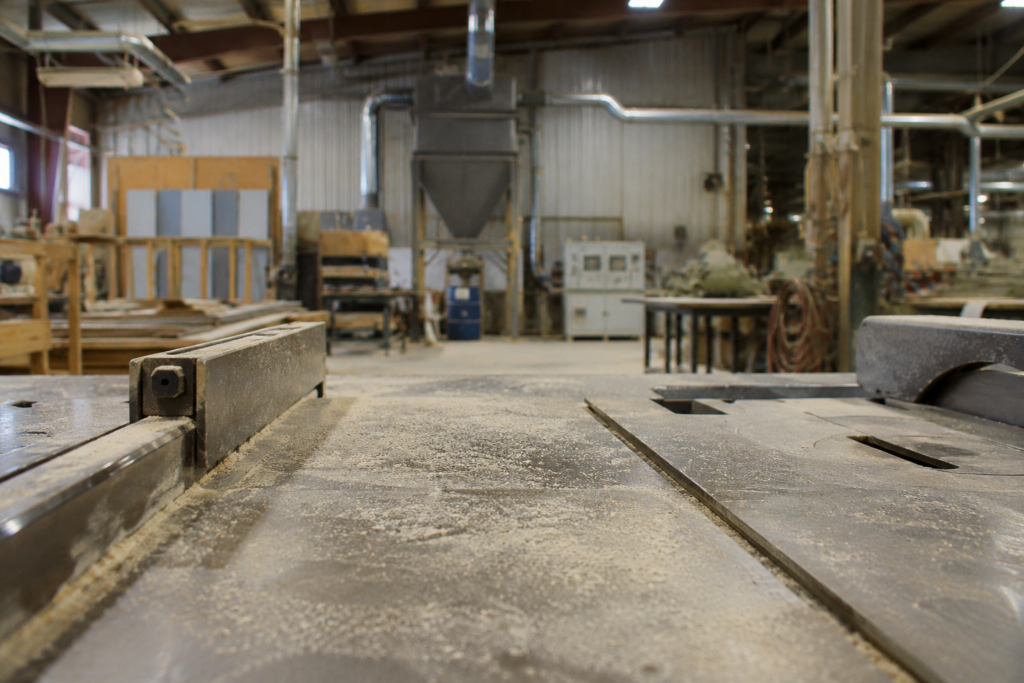
Every industrial dust collection system is designed with the same goal: capture airborne dust at its source before it spreads throughout the facility. Yet many manufacturers continue to battle dust accumulation on equipment, floors, and structural surfaces, even while their dust collector appears to be operating normally.
When this happens, the dust collector itself is often blamed. In reality, the problem frequently begins much earlier in the process.
One of the most overlooked factors in industrial dust collection performance is capture velocity. If the airflow at the point where dust is generated is too weak, dust particles can escape into the surrounding workspace before they ever enter the collection system.
Understanding how capture velocity works can help facilities identify the root cause of persistent dust problems and make more effective improvements.
What Is Capture Velocity?
Capture velocity refers to the speed of moving air at the point where airborne dust is generated. Its purpose is to overcome the natural movement of dust particles and pull them into the collection hood before they disperse into the facility.
Think of it like using a household vacuum. If the vacuum nozzle is held directly over debris, it removes it easily. Move the nozzle several inches away, and much of the debris remains untouched because the suction is no longer strong enough at that distance.
Industrial dust collection systems operate on the same principle. The farther dust travels away from the capture point, the more difficult it becomes to collect efficiently.
If sufficient capture velocity is not present where dust is created, the particles may never enter the ductwork, regardless of how large or expensive the dust collector is.
Signs Your Capture Velocity May Be Too Low
Poor capture velocity often reveals itself through symptoms that develop gradually over time.
Common warning signs include:
- Dust settling on nearby machinery or work surfaces
- Visible dust clouds during cutting, grinding, sanding, conveying, or material transfer
- Frequent housekeeping to control dust buildup
- Dust accumulating on rafters, beams, or overhead structures
- Excessive dust escaping when machine doors or guards are opened
- Faster-than-expected filter loading
- Employee complaints about dusty working conditions
- Ongoing concerns about OSHA housekeeping or air quality compliance
These symptoms often indicate that dust is escaping before the collection system has an opportunity to capture it.
Why Dust Escapes Before It Ever Reaches the Collector
Many factors contribute to poor capture velocity, and the dust collector itself is often only one piece of the equation.
Improper Hood Placement
Capture hoods are most effective when positioned close to the point where dust is generated. Even small changes in distance can dramatically reduce the airflow reaching the dust source.
Insufficient Airflow
As filters become loaded, ductwork becomes restricted, or production changes increase airflow demands, the system may no longer deliver the airflow originally intended during design.
Poor Hood Design
Different manufacturing processes require different hood configurations. A hood that performs well for one application may not effectively capture dust from another process with different particle size, velocity, or direction.
Changes to the Production Process
Adding new equipment, increasing production rates, or modifying workstations can alter airflow requirements. Systems that once performed well may gradually become undersized as facility needs evolve.
Fan Performance Issues
Industrial fans are responsible for moving air throughout the entire dust collection system. Fan wear, incorrect fan selection, improper drive adjustments, or system changes can all reduce airflow and negatively affect capture velocity.
Bigger Isn’t Always Better
When dust becomes a problem, the first instinct is often to replace the dust collector with a larger unit. While additional filtration capacity is sometimes necessary, increasing collector size alone does not automatically improve capture velocity.
In many cases, the real issue lies elsewhere within the system, including:
- Poor source capture
- Undersized or leaking ductwork
- Improper fan selection
- Airflow imbalances
- Dirty or damaged filters
- Changes made after the original installation
Addressing these underlying issues can often improve collection performance while avoiding unnecessary equipment replacement.
Looking at the Entire Dust Collection System
Effective dust collection depends on every component working together. Rather than evaluating the collector in isolation, facilities should consider the performance of the complete system, including:
- Source capture hoods
- Ductwork layout and sizing
- Industrial fan performance
- Airflow balance
- Filter condition
- Collection equipment sizing
- Future production requirements
A system-level evaluation often uncovers opportunities to improve performance, reduce maintenance, and extend equipment life without requiring a complete redesign.
How Glacier Technology Helps Improve Dust Collection Performance
Solving dust collection problems begins with understanding the entire process, not simply recommending new equipment.
Whether a facility requires a retrofit, airflow improvements, or a complete system replacement, the Glacier team works with customers to evaluate source capture, duct design, industrial fan performance, and filtration requirements to identify the most effective solution.
Glacier supplies complete industrial dust collection solutions for a wide range of manufacturing applications, including:
- Baghouse & Cyclone Dust Collectors
- Cartridge Dust Collectors
- Cyclone Dust Collectors
- Manual Shaker Collector
- Portable Fume Collectors
- Spot Filter Systems
- Wet Collection
Working with leading manufacturers, Glacier also provides engineering support, system design assistance, replacement components, installation support, and ongoing service to help facilities improve both air quality and operational performance.
When Should You Schedule a Dust Collection Evaluation?
If dust continues to escape despite regular maintenance, the issue may not be your dust collector at all.
A professional evaluation may be worthwhile if you have experienced:
- Persistent dust around production equipment
- Increased housekeeping requirements
- Facility expansions or process changes
- Frequent filter replacement
- Airflow concerns
- OSHA or workplace air quality concerns
Identifying the root cause early can improve system performance, reduce operating costs, and help create a cleaner, safer work environment.
If your facility is struggling with dust escaping the system, the experts at Glacier Technology can evaluate your dust collection system and recommend practical solutions tailored to your application. Contact our team to discuss your facility and learn how a comprehensive system evaluation can improve dust collection performance.
 NFPA 660: What Facilities Need to Know About the New Combustible Dust Standard