

By the end of September, facilities across the Upper Midwest are preparing for colder weather. Heating systems are being checked, outdoor maintenance is wrapping up, and winter operating plans are taking shape. Industrial airflow should be part of that seasonal checklist.
During warmer months, opening an overhead door can provide an easy source of ventilation. Once temperatures fall, that approach becomes impractical. Doors stay closed, buildings tighten up, and the performance of the facility’s ventilation, exhaust, filtration, and make-up air systems becomes much more important.
The question to ask before cold weather arrives is simple: Will your air system still perform properly when you can no longer rely on open doors for additional ventilation?
Key Takeaways
- Late September is a good time to evaluate industrial ventilation before colder weather forces facility doors to remain closed.
- Exhaust systems remove contaminated indoor air, but that air must be replaced for the system to perform properly.
- Inadequate replacement air can contribute to negative building pressure, drafts, uneven temperatures, and reduced exhaust performance.
- A well-designed make-up air system can provide tempered replacement air, support proper building pressure, and help manage the energy demands associated with winter ventilation.
- Where appropriate for the application, properly filtered air may be recirculated to reduce the volume of heated indoor air that must continually be replaced.
- Reviewing airflow, static pressure, filters, fans, controls, and air distribution before winter can uncover problems before they affect comfort, energy use, or production.
Why Industrial Ventilation Changes During Cold Weather
Manufacturing facilities use exhaust systems to remove heat, dust, mist, fumes, odors, and other airborne contaminants. Every cubic foot of air exhausted from a building, however, creates a need for replacement air.
During warmer weather, some of that air may enter naturally through open doors, loading areas, windows, and other openings. During winter, those sources become limited.
If sufficient replacement air is not intentionally supplied, the facility can develop negative pressure. Exhaust fans are essentially trying to remove air from a building without enough air coming back in.
Potential signs of an airflow imbalance can include:
- Reduced exhaust system performance
- Drafts around exterior doors and other openings
- Difficulty opening exterior doors
- Uneven temperatures throughout the facility
- Air entering through unintended openings
- Reduced effectiveness of dust, mist, or fume capture
Cold weather does not necessarily create the underlying airflow problem. In many cases, it simply makes an existing imbalance easier to notice.
The Relationship Between Exhaust and Make-Up Air
A well-designed industrial ventilation system considers both sides of the airflow equation.
Exhaust systems remove unwanted air from the facility. Make-up air replaces the air that has been removed.
The two need to work together. Consider a facility with exhaust fans serving welding stations, production equipment, dust collectors, or process ventilation. If those systems collectively exhaust a significant volume of air, the building needs an appropriate source of replacement air. Without it, the exhaust equipment may have to work against increasing negative pressure.
A properly designed make-up air system introduces outside air in a controlled manner to help replace exhausted air and maintain appropriate building pressure. During cold weather, that replacement air can also be tempered before entering occupied spaces rather than allowing cold outdoor air to enter unpredictably through dock doors, cracks, and other openings.
Why Winter Ventilation Can Become an Energy Issue
There is another side to exhausting indoor air during winter: the facility has already spent energy heating that air. When heated air is exhausted outdoors, replacement air has to enter the building. If that replacement air is 20°F while the indoor environment is being maintained at a much warmer temperature, the facility must supply the energy required to heat it.
The greater the exhaust airflow and the longer the system operates, the more significant that heating requirement can become.
Continuously reheating make-up air can represent a meaningful operating expense during an Upper Midwest winter. That makes winter airflow more than an indoor air quality or employee comfort issue. It can also be an energy-efficiency issue.
How Make-Up Air Can Improve Facility Efficiency
Make-up air is not simply about adding more air to a building. It is about controlling where replacement air comes from, how it enters, and what condition it is in when it reaches the facility.
More Controlled Heating
Without sufficient make-up air, negative building pressure can pull cold outside air through loading docks, doorways, wall penetrations, and other unintended openings. The heating system then has to compensate for that incoming cold air.
Tempered make-up air provides a more controlled approach. Replacement air can be introduced intentionally and conditioned before reaching occupied areas, helping the heating and ventilation systems work together rather than against one another.
Better Exhaust System Performance
Fans and collection systems are designed around specific airflow and pressure conditions. Excessive negative building pressure can change those conditions and potentially reduce ventilation performance. Supplying sufficient replacement air helps create more predictable operating conditions for exhaust systems.
Improved Employee Comfort
Uncontrolled infiltration can create uncomfortable cold spots and drafts, particularly around loading docks and exterior walls. Strategically supplying tempered replacement air can help maintain more consistent conditions throughout the facility.
Can Filtered Air Be Recirculated Instead?
In some applications, there may be another opportunity to reduce the energy required for winter ventilation. Rather than exhausting all conditioned air outdoors, certain systems may be able to clean and return filtered air to the facility.
Whether recirculation is appropriate depends on the process, contaminants, filtration system, applicable requirements, and facility conditions. It should not be assumed that filtered air can safely be returned to every industrial environment.
Where recirculation is appropriate, however, reducing the amount of heated air discharged outdoors can potentially improve overall system efficiency.
A Fall Industrial Airflow Checklist
Late September provides an opportunity to identify ventilation problems while there is still time to address them before sustained cold weather.
Consider reviewing:
- Are exhaust fans delivering the expected airflow?
- Are filters clean and appropriate for the application?
- Are dampers and controls operating correctly?
- Are belts, motors, bearings, and other fan components in good condition?
- Does the facility experience noticeable negative pressure with exterior doors closed?
- Is make-up air distributed where replacement air is actually needed?
- Are employees reporting drafts or significant temperature differences?
- Have process or production changes increased ventilation requirements?
- Could existing filtration or air recirculation strategies be improved?
Pay particular attention to areas where equipment, processes, layouts, or production volumes have changed. An air system that performed properly when originally installed may no longer match current operating conditions.
Look at the Complete Industrial Air System
A winter airflow problem does not automatically mean a facility needs a fan replacement. The problem could involve dirty filters that need to be replaced, duct restrictions, inadequate replacement air, fan performance, controls, air distribution, system static pressure, or changes to the process itself.
Glacier Technology can help facilities assess fan system performance, including airflow and system static pressure, and identify areas where the existing system may not be operating as intended. We also work with industrial ventilation, fans, filtration, dust collection, mist collection, fume extraction, ductwork, and related air-system components that could be impacting your total air system.
Make Airflow Part of Your Fall Facility Checklist
Winter leaves less room for airflow problems to hide. Once overhead doors stay closed and temperatures fall, an imbalanced system can affect ventilation performance, employee comfort, contaminant control, and energy use. Evaluating the system in early fall provides time to identify potential problems before they become winter operating issues.
If you want to evaluate your facility’s airflow, exhaust performance, make-up air needs, or overall ventilation system before colder weather arrives, contact the Glacier Technology team. We can help identify opportunities to improve performance and prepare your facility for the months ahead.
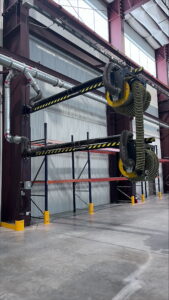 Case Study: Innovative Welding Fume Control in a State-of-the-Art Manufacturing Facility
 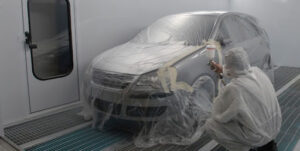 Streamlining Paint Booth Airflow: Tube-Axial Fans Meet Roll Filters for Peak Performance